
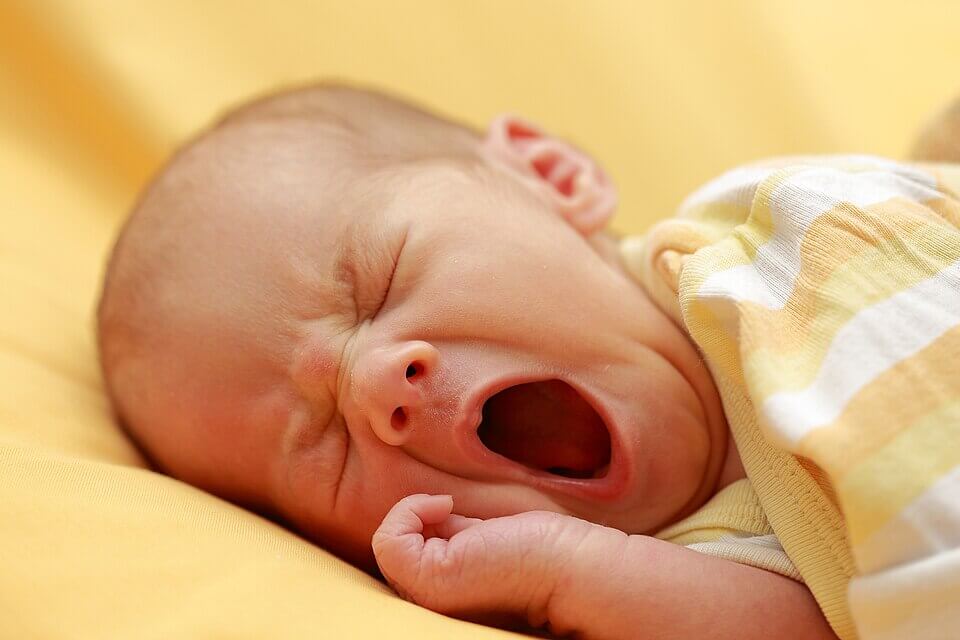
A shorter version of Kara Hoving’s story, for younger readers.
Read the full story of this research
Adam Martinac has a problem at work. He studies yawning, and he gives his talks at the very end of meetings. He has to. When he starts explaining his research, people begin to yawn, and then the people next to them yawn, and soon nobody is listening.
You may have yawned already, just from reading this. It happens to almost everyone.
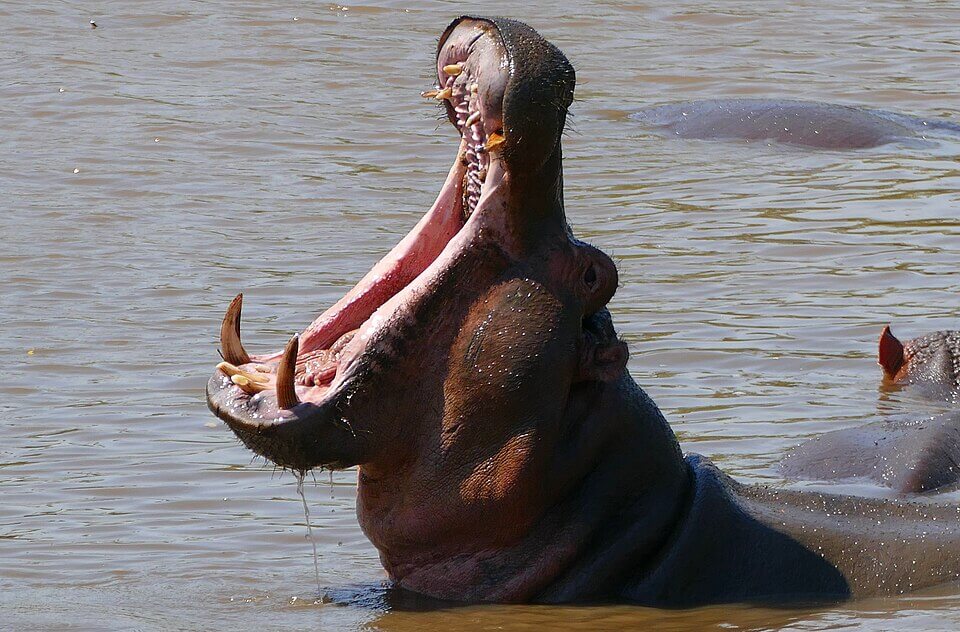
Nearly every animal with a backbone yawns. Dogs, hamsters, crocodiles, even fish. It has been going on for tens of millions of years, which usually means it is doing a job. Nobody has been sure what the job is.
Martinac and his team, who work in Sydney, Australia, found a way to watch a yawn from the inside.
They used a scanner that makes moving pictures instead of still ones. They watched fluid moving inside people’s heads while it happened. Then they had to get people to yawn on purpose, inside a machine, while somebody watched. That turned out to be the hard part. In the end they showed them videos of other people and animals yawning, which worked.
Your brain floats in a clear fluid. The fluid acts like a cushion, and it picks up the brain’s waste and carries it off.
Normally, when you breathe in, that fluid moves up into your head. Used blood goes the other way, down and out.
During a yawn, both the fluid and the blood went out together. Everything left at once.
Martinac had expected a yawn to work like a deep breath. It did not, and that surprise may be the whole point. A big rush of fluid leaving could wash waste out. It could also cool the brain down. Your brain is a little warmer than the rest of you. It works properly only when it stays close to the right warmth. Warm blood leaves, cooler blood comes in behind it.
The team also watched the tongue during each yawn, and every person’s tongue moved in its own way, the same way every time, even when they tried to hide the yawn. Your yawn is unique, like your handwriting. That tells scientists something: yawning runs on the same kind of old automatic wiring as walking and breathing, the parts of you that work without being asked.
Of course, this is one study. Scientists need a lot of them before being quite sure they are right. Martinac wants to measure the heat next.
He will still be giving his talks last.