
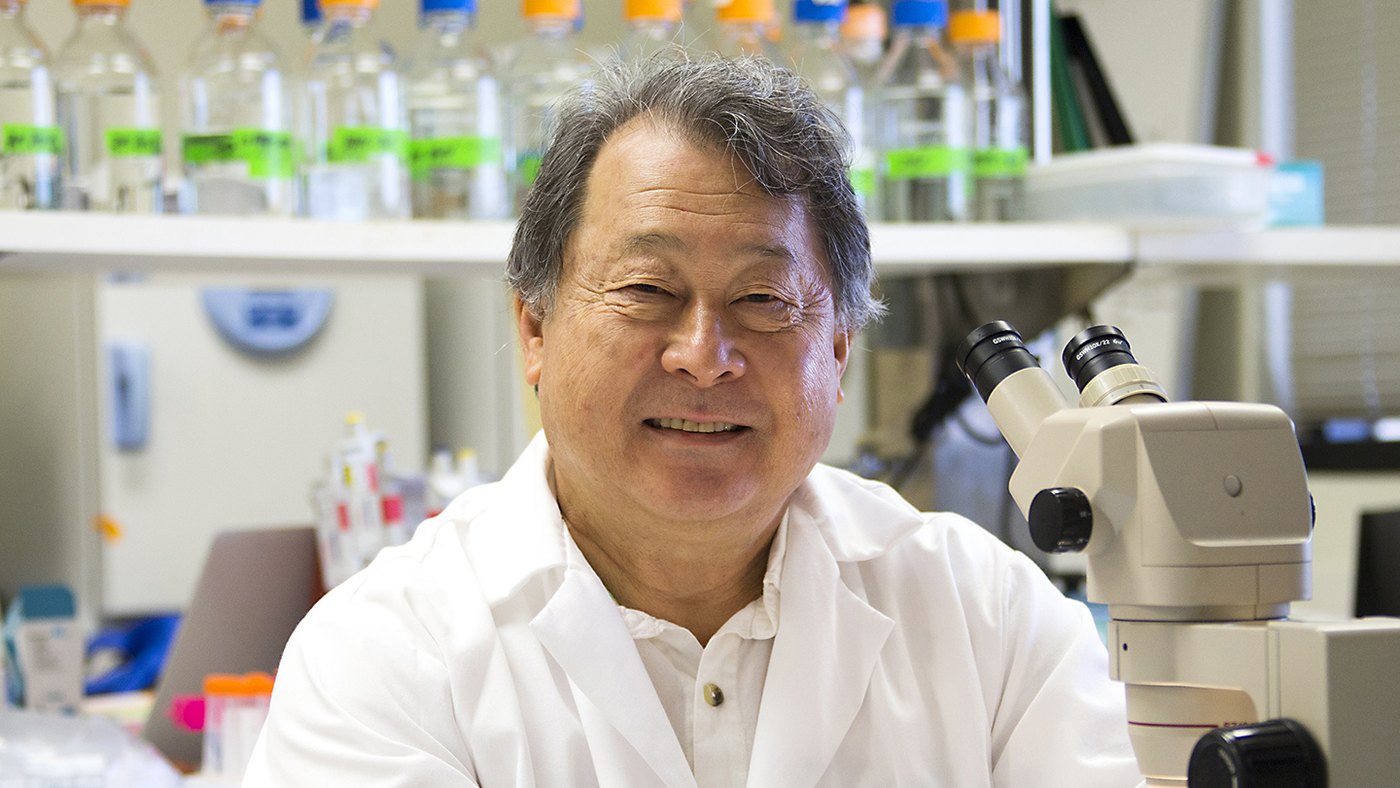
Ken Muneoka spent three decades asking why mammals cannot regrow the limbs they lose, while all that time his own lungs were quietly filling with scars
Sultana Haider
That is the irony built into Ken Muneoka’s work: he studied tissue regeneration while his own lungs were being progressively scarred by idiopathic pulmonary fibrosis.
“Idiopathic” means nobody knows why it starts. Muneoka was diagnosed in 2011 and has since had a lung transplant. The scarring is the work of fibroblasts, the connective tissue cells he has spent his career trying to reprogram. In a wound, a mammal’s fibroblasts rush in and seal the gap with scar. In a salamander, the same kind of cell gathers into a bud that regrows the limb.
Muneoka, a professor at Texas A&M University, has spent 30 years trying to get mammalian fibroblasts to take the second option.
“I always thought it was ironic that I would be studying regeneration but then suffering from the absence of regeneration in my own personal life,” he says. He says it the way he says most things – as a reflection on a mechanism that happens to sit in his own chest.
The quandary
The question driving Muneoka’s career is easy to state and hard to answer: why can a salamander regrow a whole severed leg – bone, muscle, nerve, blood vessels, toes, every part of it formed perfectly – while a mouse or a person seals the stump with a scar? For most of modern biology, regeneration was for salamanders and scars were for us. But every vertebrate embryo builds limbs from very similar instructions, and Muneoka guessed that mammals had not lost the machinery, only switched it off.
He did not come to research the tidy way. After high school he skipped college and spent a couple of years fighting forest fires in Southern California.
“I wasn’t a great student, I wasn’t a bad student,” he says. “I just liked having fun at the time, like most people do.” Biology caught him late, somewhere around his junior year at Humboldt State University, among the redwoods of Northern California. The future stayed uncertain.
“I didn’t get accepted to graduate school anywhere,” he says, “because I do terrible on standardized tests.”
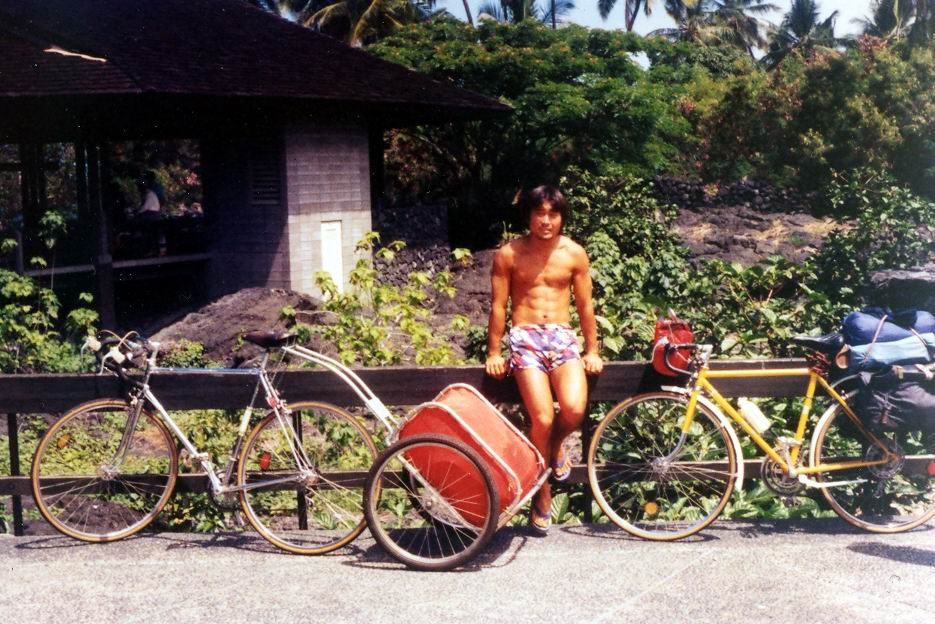
He got into the University of Hawaii unfunded, essentially by asking around while visiting relatives. What set the direction of everything after was a summer course 8,000 km (5,000 miles) away. At the Marine Biological Laboratory in Woods Hole, Massachusetts, he took an eight-week embryology class.
“It just changed my life,” he says. “I was very interested in the question of regeneration, particularly the question of regenerative failure.”
Speaking the same language
He spent seven years at the University of California, Irvine – a PhD, then a postdoc, both under the developmental biologist Susan Bryant. Decades later he is clear about who shaped his path: “By far it was my mentor and graduate student advisor Susan Bryant. She’s been instrumental my entire life.”
Muneoka’s first study asked a deceptively basic question: how different is a limb developing in an embryo from a limb regenerating after injury? His answer was that they were not different at all.
“The cells are speaking the same language,” he says – they use the same mechanisms. So a mammal, having built its limbs once as an embryo, should in principle be able to rebuild them.
That view was mildly heretical. The limb-development field, built largely on the chick embryo, saw regeneration as something else, and the doubts shadowed his funding for years.
He made a second discovery that mattered. Using a crude early cell-marking system, he showed that the blastema – the bud of cells that forms at a regenerating stump – was made almost entirely of fibroblasts from connective tissue, not muscle or bone cells. It drew little attention at the time.
“Nowadays, with everything we know,” he says, “it’s been demonstrated over and over again that it’s the fibroblasts – that’s the critical cell type. So I feel pretty proud about that initial finding.”
The mammalian block
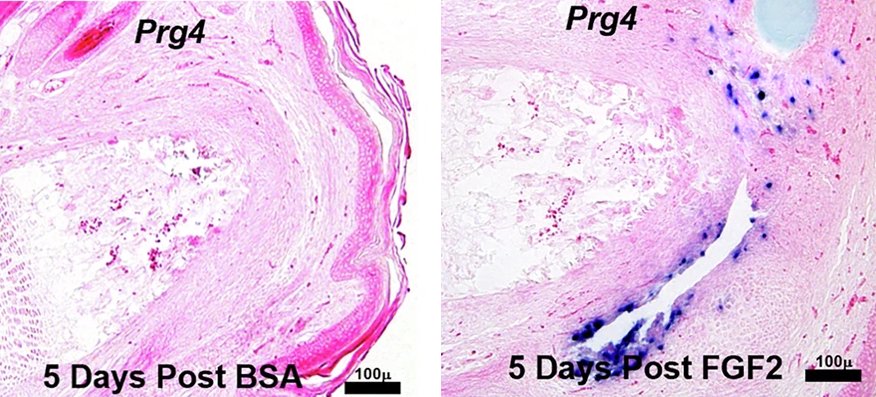
At Tulane University, in his first faculty job, Muneoka turned deliberately away from animals that regenerate easily to find out why mammals don’t. If the ability was switched off during development, amputating a limb bud around that time might reveal when the switch flipped. When his team treated developing limb buds with a signaling protein called FGF2 (fibroblast growth factor 2), the damaged tissue started growing again instead of scarring.
Reproducing the result did not remove the skepticism. Muneoka points to a later study from another developmental biology laboratory that repeated his work using FGF4, a member of the same protein family. Despite the successful replication, the researchers kept “regeneration” in quotation marks.
To Muneoka those quotation marks were the argument itself: whether other researchers were willing to call it what he believed it was – genuine regeneration, rather than some other developmental process.
To him the logic was plain. “You cut a limb bud off, it doesn’t grow back,” he says. “You put something on, and it grows back. That seems pretty straightforward.” Not to his colleagues. At least one publication ridiculed it. Funding dried up, not because the question had been answered but because too few people thought it worth asking.
“One of the things that you get used to,” he says, “is people ignoring your work because they don’t think you can be right. But you get used to that.”
Muneoka followed the clues instead. FGF2, his team found, switched on Msx1, a master gene controlling activity at the growing tips of embryonic limbs and, in mice, at the tips of the digits. To be sure, the lab developed microsurgery delicate enough to operate on mouse embryos in the womb. Very young digit tips, they found, would regrow on their own along exactly the boundary in time where Msx1 was switched on. Mice engineered without the gene grew normal digits but could not regenerate them once amputated. Then the team added another signaling protein, BMP4 (bone morphogenetic protein 4), to the wound of a mouse that lacked Msx1. Regeneration came back. BMP4, too, was a necessary ingredient.
The headscratcher
The team moved from the embryo to newborn mice, amputating a digit and watching what different molecules did to a wound that, left alone, heals in about four days and never regrows. “The controls were absolutely clean,” he says – nothing came back on its own. But a tiny bead loaded with BMP2 could coax the cut bone to elongate back toward its normal size and shape.
It worked, and it made no sense.
“It did it without forming a blastema,” he says. “So that was a head-scratcher for us.” For decades the blastema had been the defining event of true regeneration: no bud, no regrowth. But BMP2 was rebuilding bone by a different route entirely, through an endochondral ossification center – the body’s ordinary way of laying down new bone on a cartilage template.
A related protein, BMP9, did something stranger still. It grew a small new bone at the cut, and between the stump and that bone it built a whole joint – cartilage, synovial cavity, tendons, ligaments, one of the most intricate structures the body makes.
Two proteins, two different pieces of anatomy, neither relying on a blastema. Regeneration, it suggested, was not one signal but a sequence of them.
Modifying the wound one step at a time could, in Muneoka’s words, “enhance the complexity of the regenerative response.” It was an idea he had first glimpsed with FGF2 decades earlier, and testing it fully would take the rest of his career.
“I was very fortunate,” he says, “to spend my whole life studying the same thing.”
Everything we amputated
The missing piece was the blastema itself. To rebuild P3, the last little bone in a fingertip, Muneoka suspected you first needed a genuine bud. So the lab went back to FGF2. This time a blastema did form, and it was not enough – a blastema alone stalled and never turned into anything. The answer was timing. After a great deal of trial and error over dose and interval, they had it: let the wound heal, apply FGF2, wait five days for a blastema to form, then apply BMP2 to drive those cells into skeletal tissue. The procedure regrew a structure resembling the missing P3 and, in many cases, the elongated bone, the joint, and a small sesamoid bone – the kind embedded in a tendon or muscle.
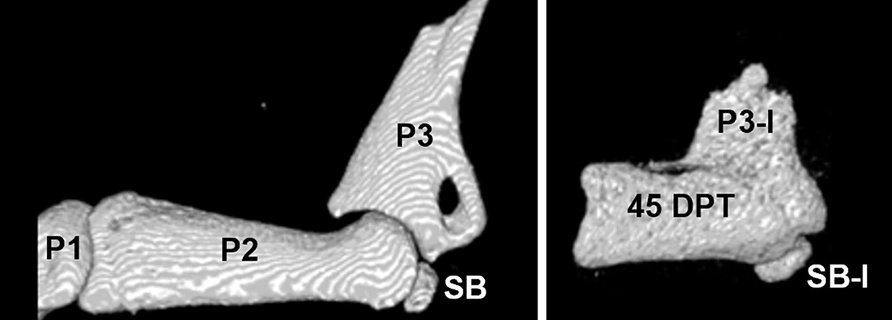
“Essentially,” he says, “everything we amputated.”
The wound is only briefly receptive. The stump’s regenerative ability rose to a peak around the time the wound closed, then fell away. This was the “regenerative window” the team learned to aim for.
“It wasn’t perfect, and in fact the reviewers gave us a lot of grief about that,” Muneoka admits. But it was the first time anyone had induced what biologists call an epimorphic regenerative response – real blastema-based regrowth of a lost structure – in a mammal, without altering a single gene, using two growth factors and good timing. The paper, published this year in *Nature Communications*, is the closing argument of a very long case.
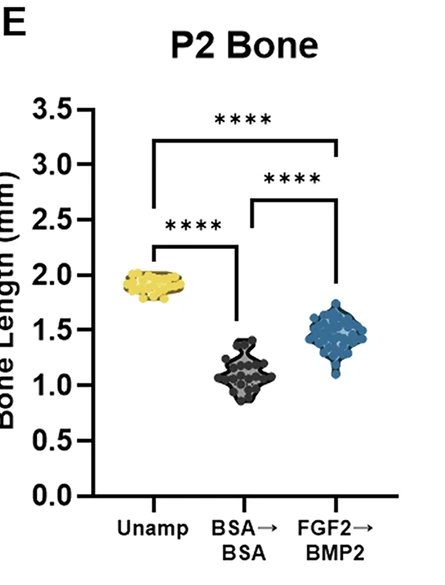
His first paper on FGF2 appeared in 1994, more than 30 years ago.
Perseverance, and luck
Three decades is long enough to outlast grants, institutions and technologies, and Muneoka’s funding history reads like a map of someone willing to ask unfashionable questions. The National Institutes of Health backed some of the early Msx1 work. Then, during the Iraq war, with soldiers returning with amputations, the Defense Advanced Research Projects Agency came calling and kept the lab going for five or six years. Its program director, John Mogford, educated him, he says, “on the more human side of regeneration,” and changed how he saw the whole enterprise. When DARPA’s support ended, the US Army stepped in.
Some of the events that tested his career had nothing to do with experiments.
In March 2011 he was in Japan teaching a regeneration course he had built with Gerald Schatten and run for years at Woods Hole. The Tōhoku earthquake struck while he was on a train to Sendai to see his longtime collaborator Hiroyuki Ide. He never got there. Rail service stopped and he spent the night in Tokyo Station, and one of Ide’s former students took him in the next day. He was never in serious danger, and what stayed with him was not the tragedy but the composure of the people around him, set against the chaos he had seen after Katrina.
Katrina had already shown him how quickly both a life and a body of work can be swept away. The storm devastated New Orleans, disrupting his family’s life and years of research at Tulane. Amid the destruction came extraordinary kindness. Susan Bryant, by then dean of the School of Biological Sciences at UC Irvine, and her husband, David Gardiner, took Muneoka and his family into their Newport Beach home. They did more than shelter them. Bryant found laboratory space and housing for displaced members of his team, and Gardiner helped the Muneoka children into new schools and back to gymnastics and soccer.
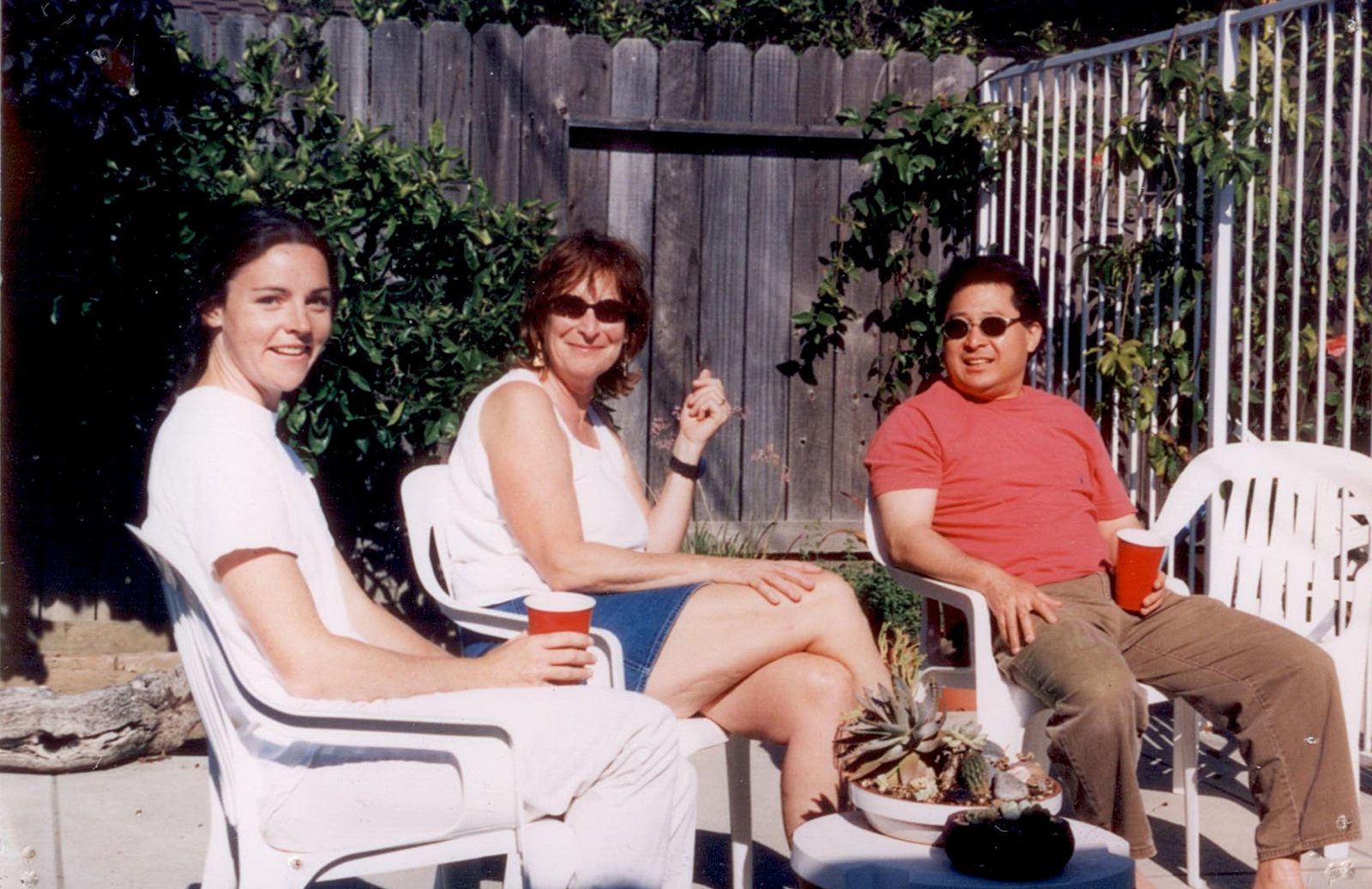
Three months later the family returned to New Orleans to rebuild, slowly. Nearly every home in the city needed repair and workers were scarce. Recovering the laboratory was worse. Months without electricity had left refrigerators and freezers contaminated, and insurance rules required every damaged reagent to be documented before it could be thrown out. The cleanup was filthy, exhausting and went on for months.
It was while navigating that aftermath that he and Gardiner wrote the DARPA grant that funded the early work on BMP2 – the work that led, in turn, to the research now drawing attention back to induced regeneration in mammals. A disaster that destroyed years of work had set up the next phase of it.
Muneoka talks about failure the way experimentalists do, as information. He reaches for Edison and the light bulb: asked how many times he had tried, Edison supposedly said he only needed to succeed once.
“But he literally had to do it thousands of times that failed,” Muneoka says, “and that doesn’t matter.” Every dead end narrowed the search. “It’s about perseverance,” he says, “but it’s also about luck.” Luck in a mentor, in collaborators and team members, in results too odd to ignore, and in asking questions before the rest of the field thought they mattered.
When the funding faltered again, Texas A&M “made me an offer I couldn’t refuse.” He had not planned to move. His wife Mary stayed in their New Orleans home while he kept a place in College Station, shuttling between states for the last decade of his research.
The absence of regeneration
By then the disease in his lungs was well advanced. The fibrosis diagnosed in 2011 progressed slowly, then sharply worsened around 2024, and a transplant became an option. Convalescing as the man who studies exactly this failure was strange.
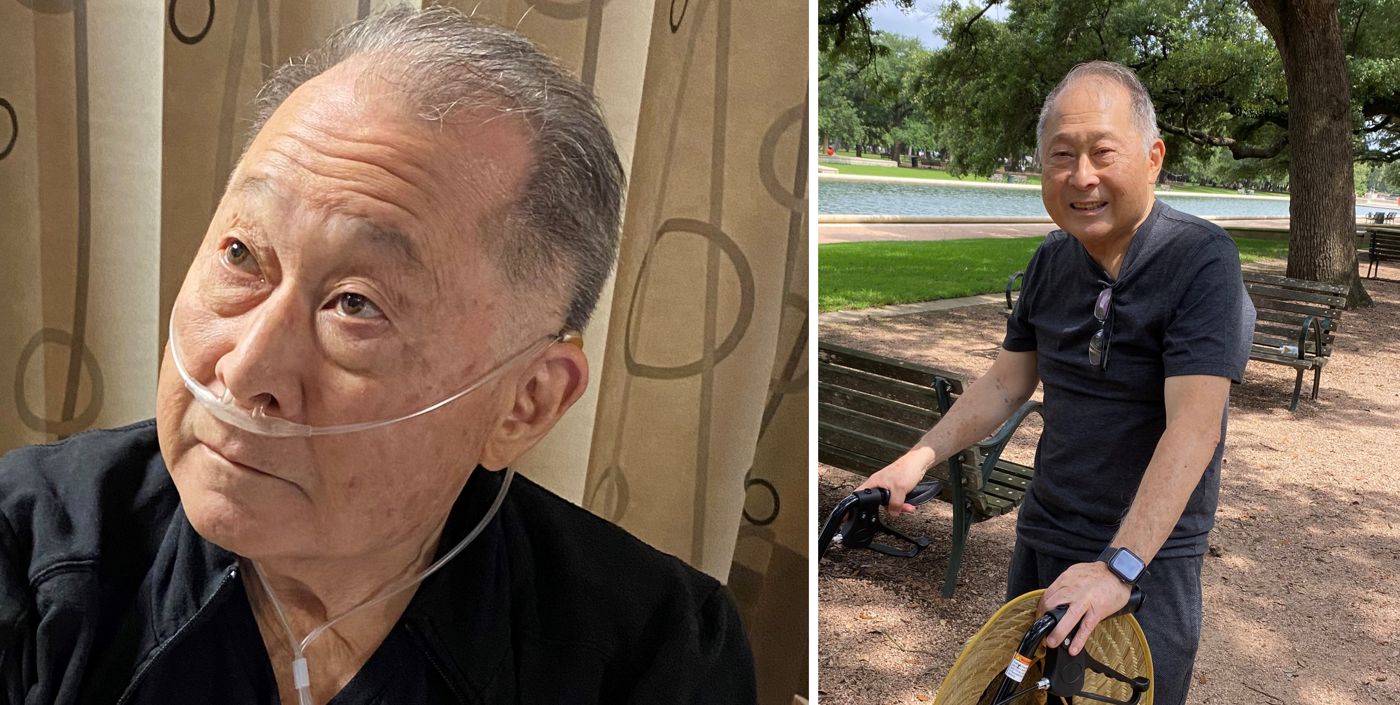
“It’s hard for me not to think about the science behind what’s going on in my body,” he says. The most ordinary things have had to be relearned.
“I have to train myself to breathe, which is strange when you think about it,” he says, “because my life was always taking really short breaths because my lung capacity was so small.” Recovery is slow, and he describes himself as still frail. It has also loosened something.
“I feel like I have a new lease on life,” he says, “and that maybe I want to spend the end of my life not doing science, and maybe doing something else.”
Strength and meaning
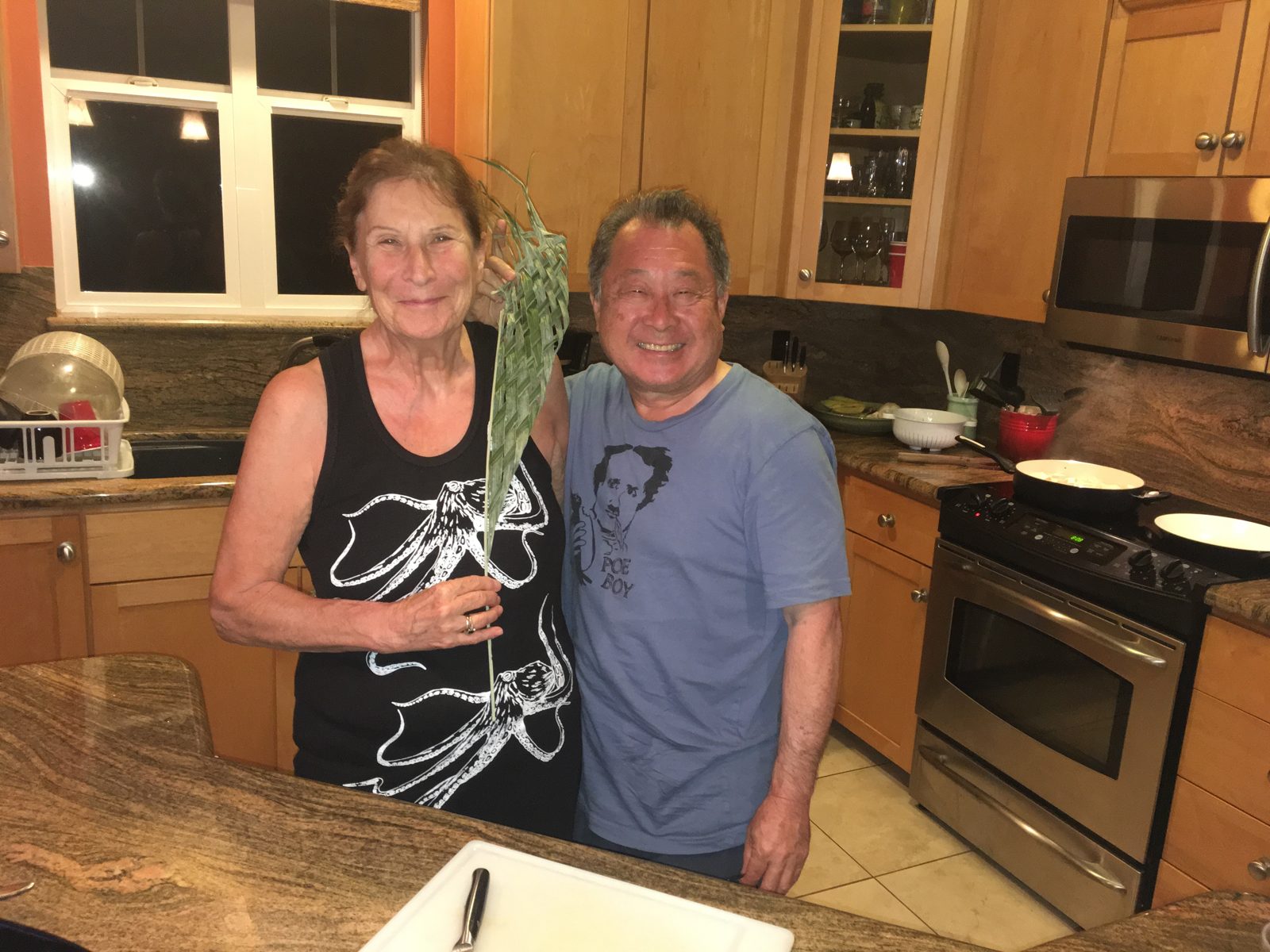
Behind that recovery is his family, and particularly Mary. She is an accomplished artist and the granddaughter of the American painter Walter Inglis Anderson; her crayon pieces are detailed enough to be mistaken for watercolors, patient and precise work of her own. She also made the stable home that let Muneoka give himself to research, and since the transplant her support has become more personal still. He credits much of his recovery to her care, and calls her one of the greatest sources of strength in his life and his career.
Muneoka dismisses the idea of a legacy. “I don’t care if nobody remembers me,” he says. “As long as they remember the data, and as long as they can take this to the next level, I’m gonna be a happy camper.” Getting other scientists to take the work seriously has been the higher hurdle. And much of it is still gestating.
“The majority of the data produced in my lab has never been published,” he says. “It’s sitting in a notebook somewhere because the results didn’t make sense at the time.”
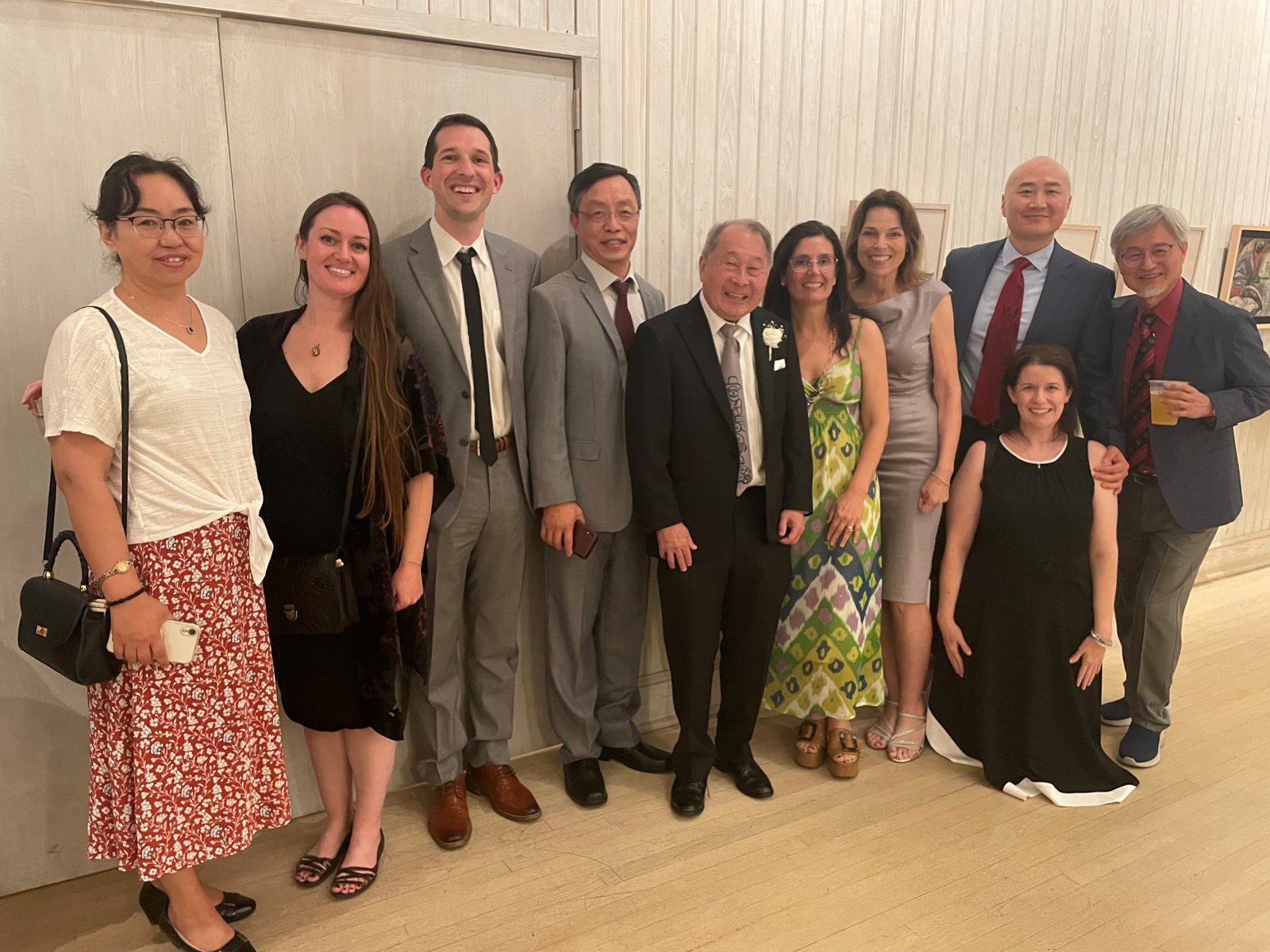
Muneoka is clear that he is not claiming anyone will soon regrow a finger, let alone a limb. The regrown mouse digits are imperfect. Whether the trick scales to larger animals, including us, is a matter for the future. But he has moved a mammalian wound a measurable distance away from scarring and toward rebuilding. That, he points out, is how every impossible thing in science starts – not with perfection, but with evidence that it is possible.

Sultana Haider is a science journalist with a background in biology based in Gilgit-Baltistan in Pakistan. She focuses on stories about people, the challenges they face, and their commitment to learning more.”
Read the original article here