
A shorter version of Sultana Haider’s story, for younger readers.
Read the full story of this research
If a salamander loses a leg, it grows a new one. Bones, muscles, toes, all of it. If you cut your finger badly, you get something else. You get a scar.
Ken Muneoka has spent more than 30 years asking why.
Muneoka is a scientist at Texas A&M University. He did not start out that way. After high school, he spent a couple of years fighting forest fires in California. Later, when he wanted to keep studying after college, every school he tried said no. He found a way in anyway. Then a summer class about how animals grow changed his life.
Here is what he learned. When a salamander loses a leg, special cells rush to the wound. They pile up into a little bump. That bump grows into a brand-new leg.
When we get hurt, the same kind of cells rush in too. But they do a different job. They patch the hole fast, and the patch is a scar.
Muneoka thought our cells might still know how to build. After all, every one of us grew arms and legs before we were born. Maybe the instructions were still in there, just switched off.
So he worked with mice. When a baby mouse loses more than the very tip of a toe, it heals with a scar, the way we do. Muneoka’s team gave the wound two signals, five days apart. Both are chemicals the body makes anyway. The first made the little bump of cells. The second told those cells to turn into bone.
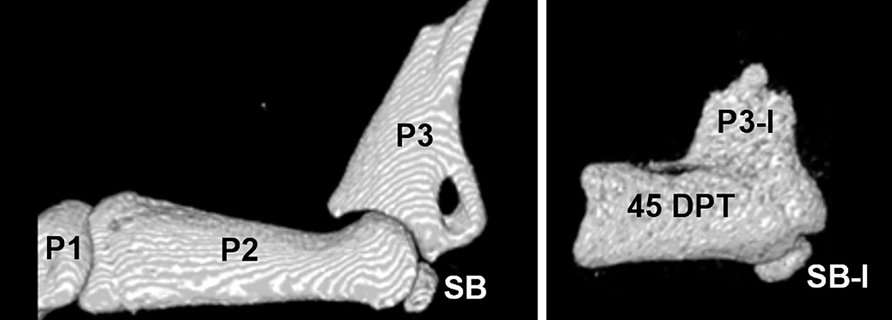
The toe started to grow back. New bone, a joint, even a tiny bone that belongs there. It wasn’t perfect. But nobody had made a mammal’s toe grow back that way before.
For years, many scientists did not believe his idea. He kept going.
While he worked, Muneoka got sick. His own lungs slowly filled with scar, until breathing was hard. This year, doctors gave him new lungs. He is getting better slowly, and learning to take deep breaths again.
A salamander still does it better. It can grow a whole new leg, and we cannot yet grow back even a fingertip. But Muneoka has shown that a body like ours can be pushed away from making a scar, and toward building something new.
That is how big discoveries start. Not with a perfect answer, but with proof that something is possible.
This is a retelling. It was drafted by an AI from Sultana Haider’s Truly Curious story and checked before it went up.