
A shorter version of Natalie Testa’s story, for younger readers.
Read the full story of this research
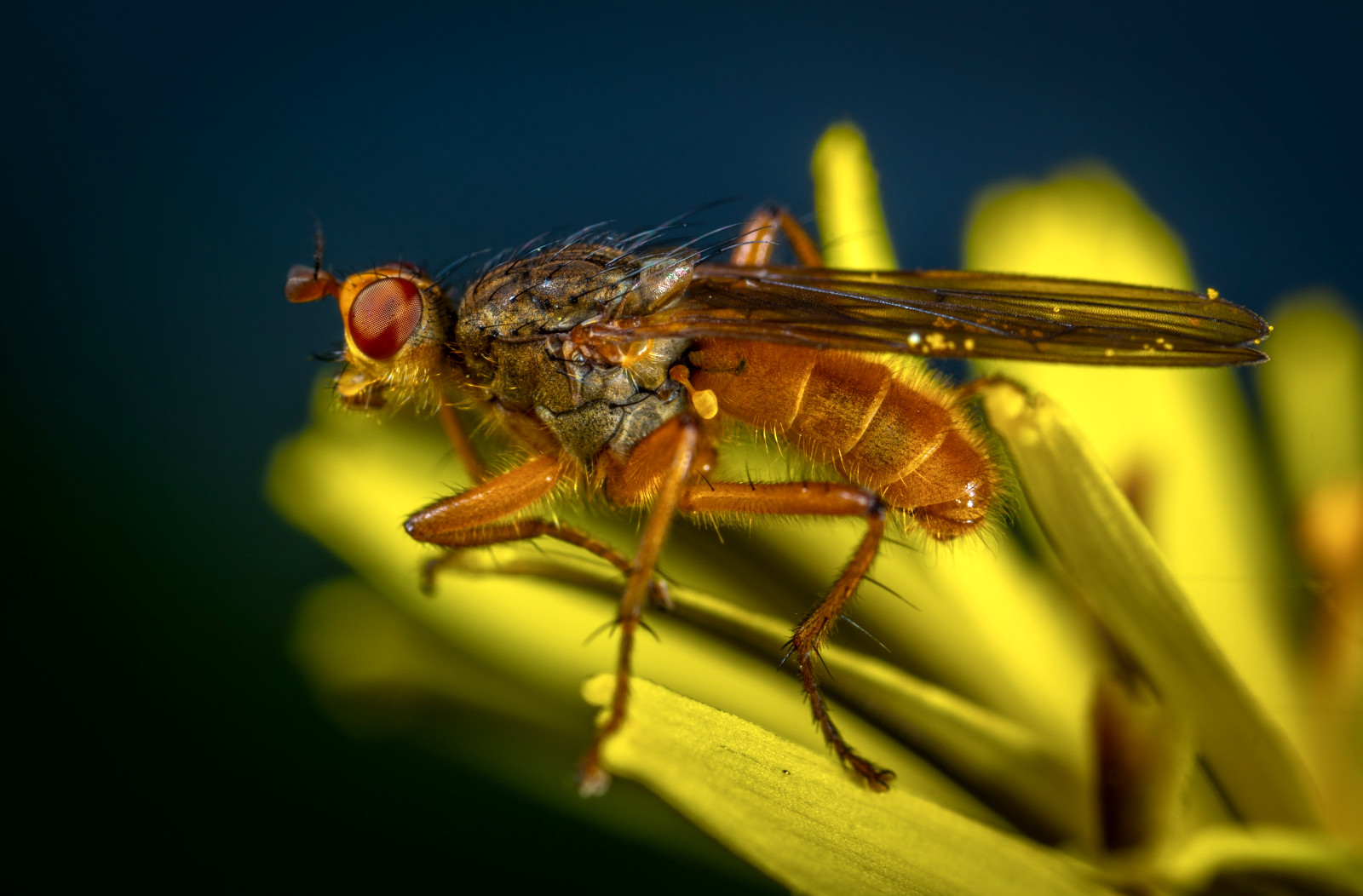
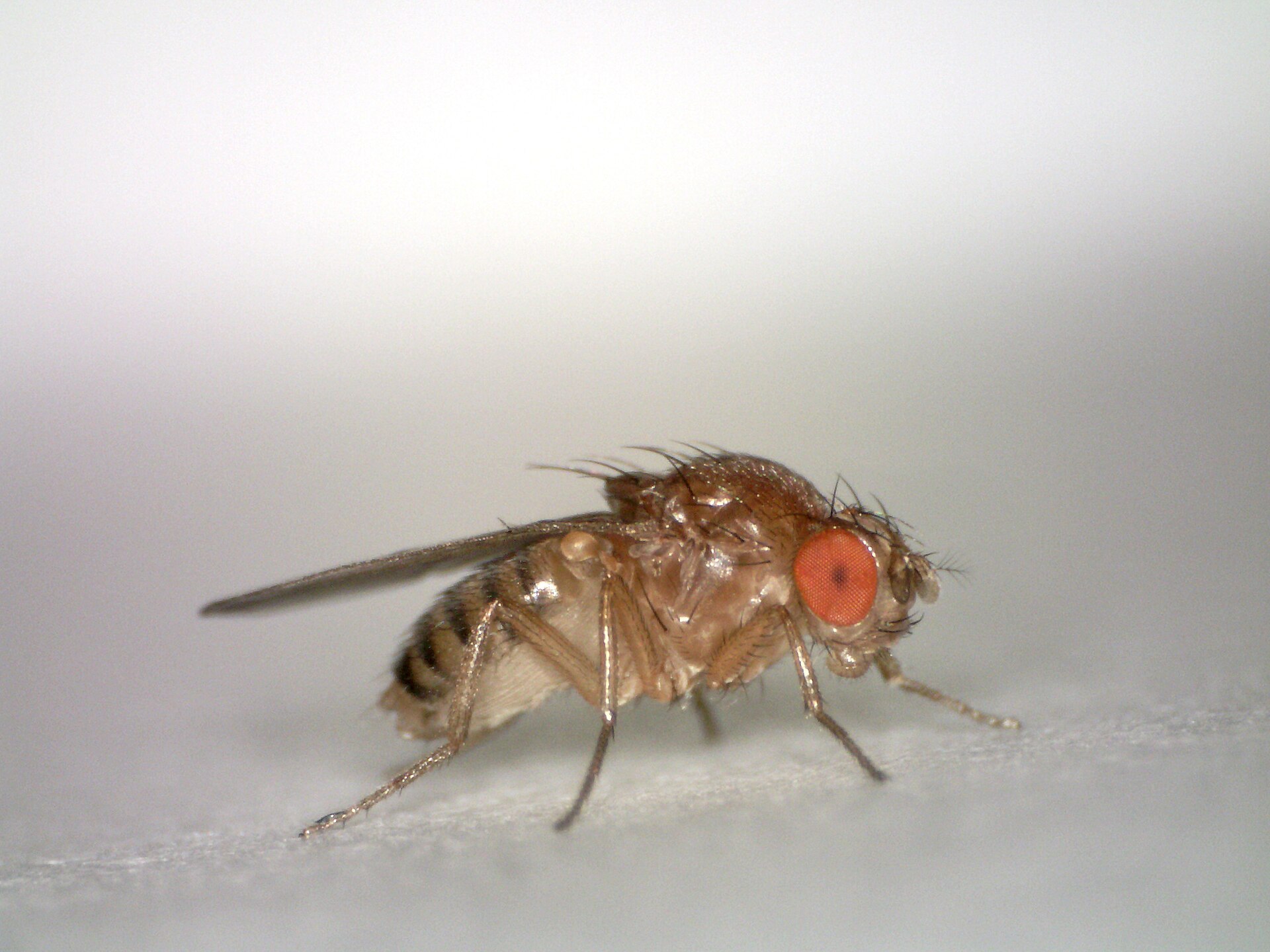
In a lab in Sheffield, England, thousands of fruit flies live in clear plastic cages. Every other day, someone feeds them and takes out the ones that have died. Each dead fly is sucked up through a little tube, one at a time, and counted.
Mirre Simons runs this lab. He studies why living things grow old. He says the work is a bit like the work of monks: the same small jobs, again and again. His 11-year-old likes to help by labeling tubes.
For a long time, scientists have thought that a little stress can be good for you. Not big trouble, like being very sick. Just small bumps. Small bumps wake up the body’s own repair crews.
Inside every cell is an alarm for hard times. When food runs short or something goes wrong, the alarm rings. A protein called ATF4 answers it. ATF4 is like a manager who tells the cell to stop building and start fixing. But if the trouble is too big, ATF4 can tell the cell to take itself apart instead.
In worms and in yeast, turning ATF4 up a little helped them live longer. Miriam Götz, a student in the lab, wanted to know how that worked in flies.
The team bred flies whose ATF4 could be turned up or turned down. Some flies got plenty to eat. Some got less. Then the team waited, and counted.
The flies broke the rule. When ATF4 was turned up, the flies died sooner. When it was turned down, they lived longer. That was true whether they ate a lot or a little.
Götz was puzzled for a long time. She read what other scientists had found, and she went running to think. Slowly, it began to make sense. Sometimes, turning the alarm down is what helps.
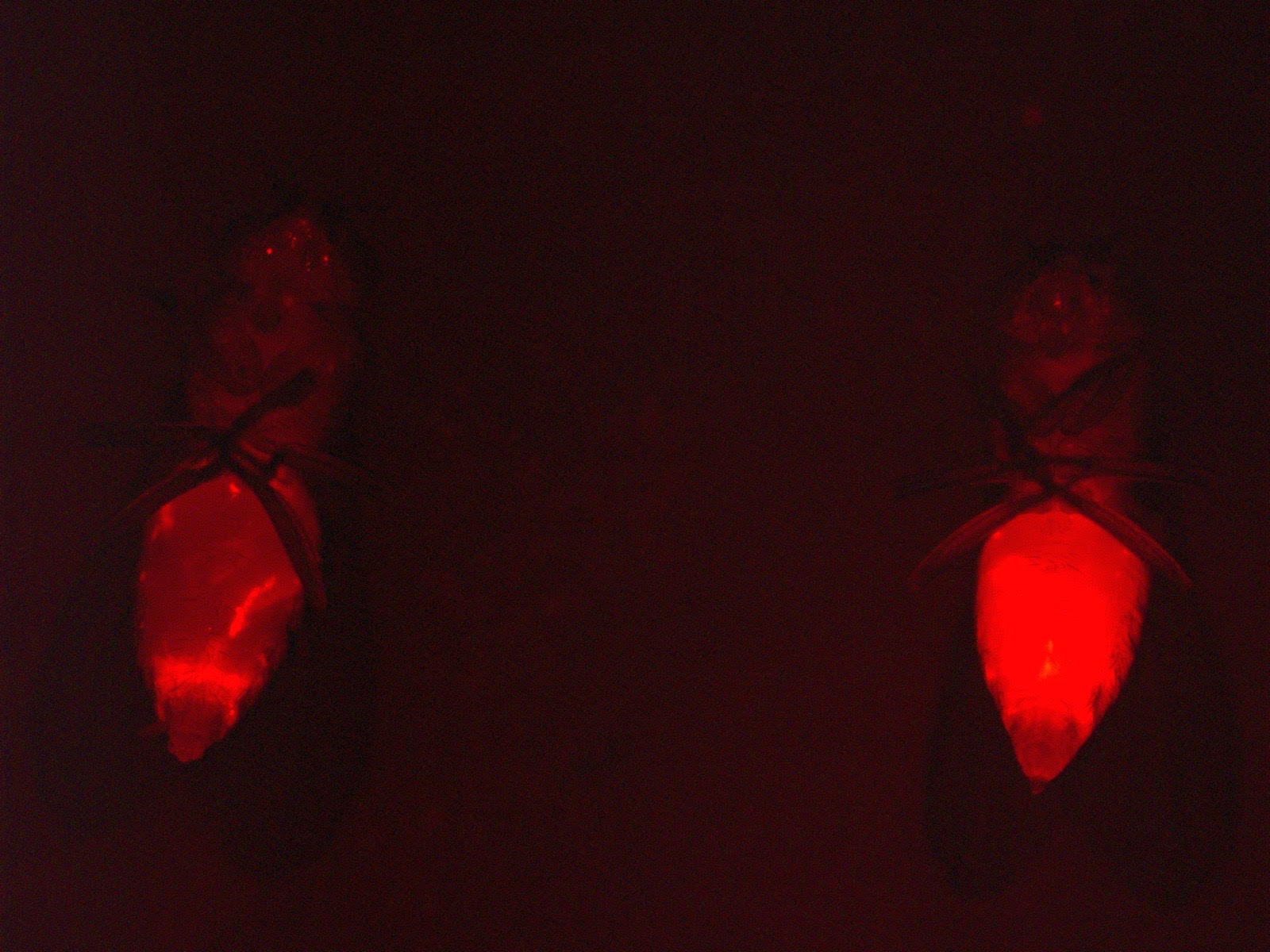
The team checked their work. They used a marker that makes flies glow brighter when ATF4 is busy. When they turned ATF4 down, the glow faded.
Then another scientist asked them to try smaller pushes. They did. Even the gentlest push made the flies’ lives shorter.
So is a little stress good or bad? It may depend on how hard the alarm rings, how long it rings, and where in the body it rings. Simons wants other labs to try the experiment too.
He says that if scientists already knew what would happen, there would be no reason to do the experiment.
Back in the lab, the counting goes on.
This is a retelling. It was drafted by an AI from Natalie Testa’s Truly Curious story and checked before it went up.