
A shorter version of Gabriela Silva‘s story, for younger readers.
Read the full story of this research
In 2013, a road in Italy was being made wider. The digging cut into something very old, and everything stopped.
Zita Laffranchi was called in. She is a scientist who studies old bones, and she knows how to get them out of the ground without harming them. She and her team worked from seven in the morning until seven at night, all summer, because the builders were waiting.
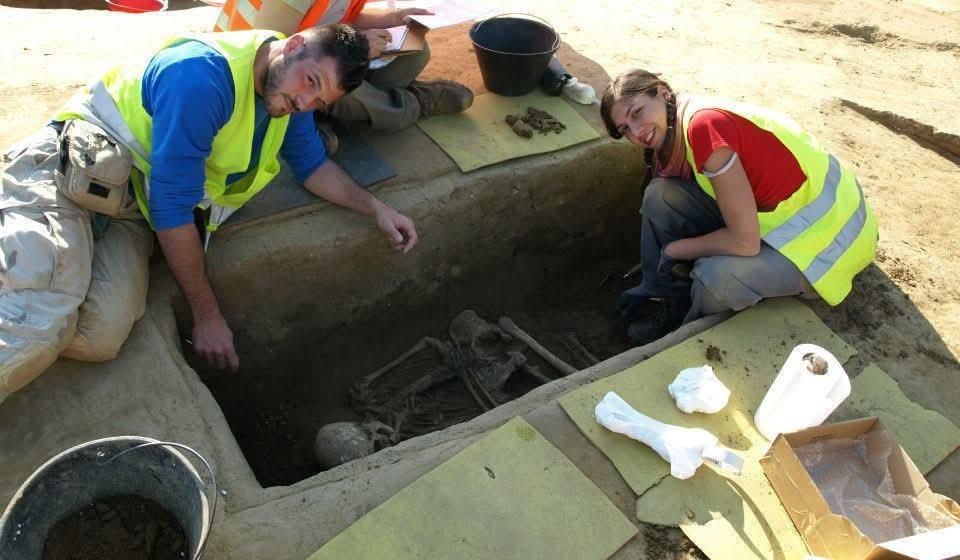
What came up were the graves of hundreds of people, buried about 2,700 years ago, in a town near the sea called Novilara.
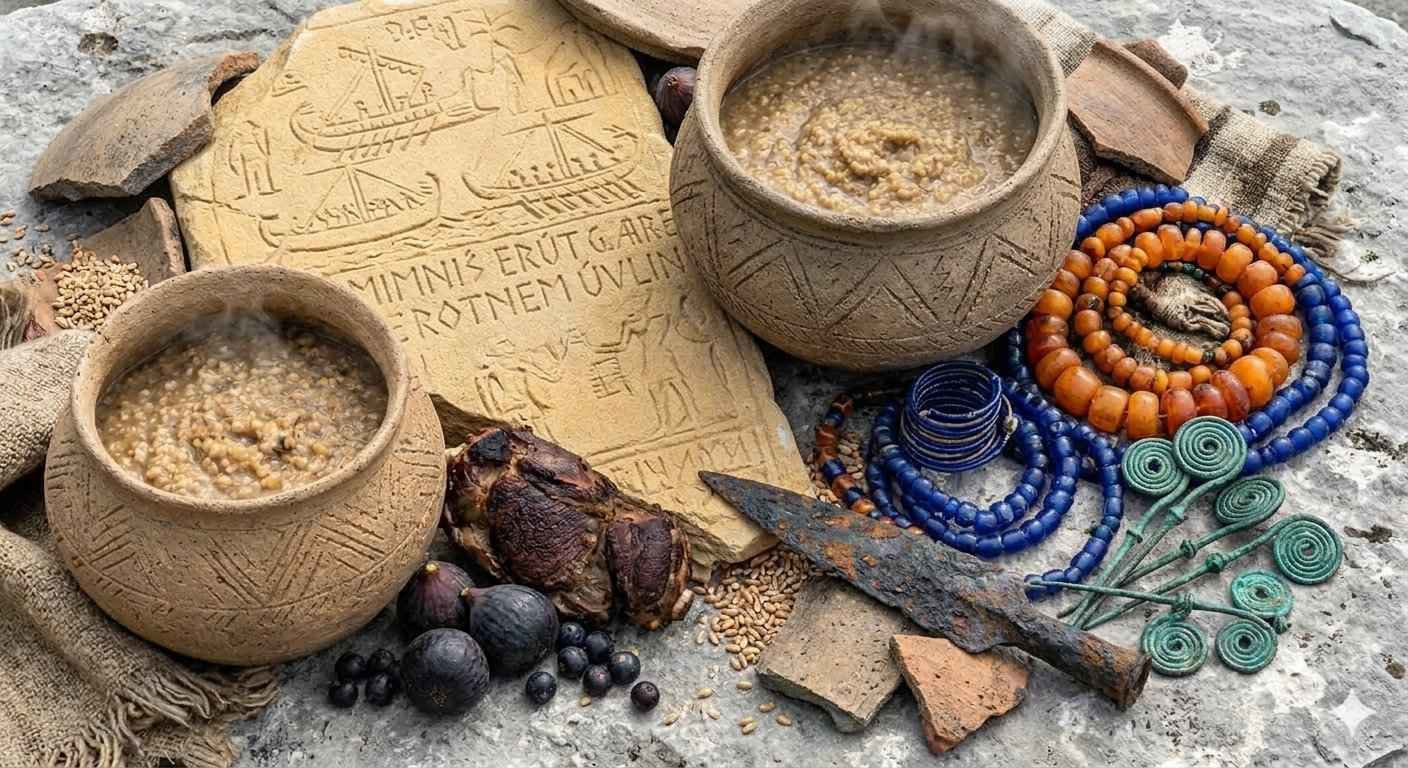
Each grave held the things that person had been sent off with. Some held weapons. Some held pins and beads. Some held tools for sewing. For a long time, that was how anyone guessed at these lives. A grave with a sword must be a man. A grave with sewing tools must be a woman.
But you do not pack your own grave. The people who loved you do it. What ends up beside you is what they wanted to say about you.
Bits of a person’s food end up inside their bones and teeth. So do bits of the ground that food grew in. Bones are taken apart and built again all through life, so they hold only the last few years of a person. Teeth are built once, while you are small, and then never changed. They hold your childhood, and keep it. Yours do, too.
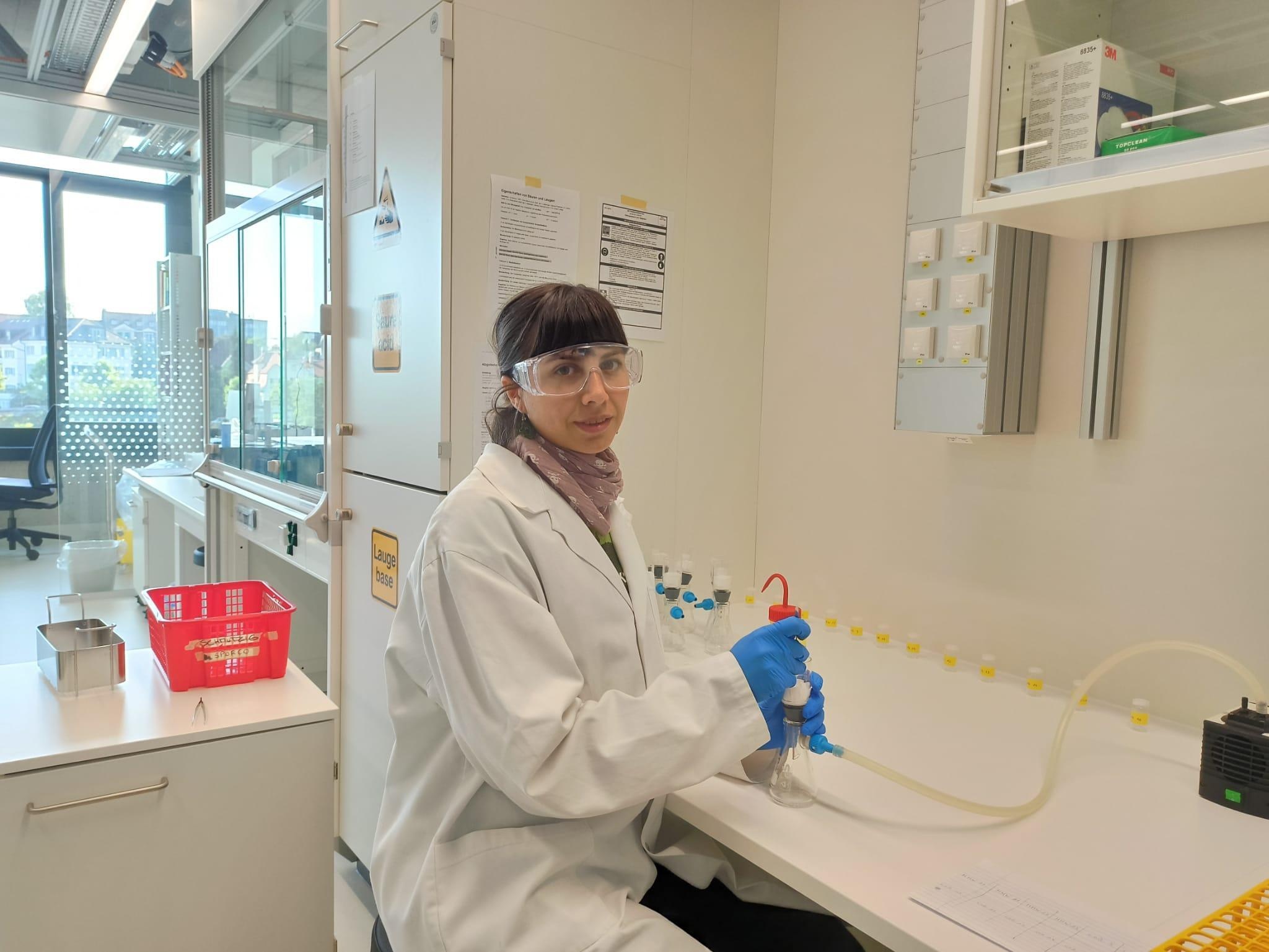
Laffranchi’s team read the traces in the bones of 142 people.
The bones did not agree with the graves.
The men had eaten a wider mix of food than the women. Strangely, nobody ate much fish, even though the sea was close by. And in one grave lay a girl of about 15 or so. Her pin looked like the ones worn far to the north. Her bones said she grew up in the south.
So did she travel? Or did only the pin travel, passed along and traded until it reached her?
Her teeth would say. Nobody has tested them yet. Tests like that cost money, and the team is still trying to find some.
Almost nothing lined up. The scientists had hoped it would. Marco Milella, who worked on the bones with Laffranchi, says that is the point: they were studying people, and people are not tidy.
Laffranchi still thinks about them one at a time. When she held the bones, she says, she saw a person, not a number.